Back to Archive

LA-AI Insights: Hatch-a-thon 2026 is in the books!

Your weekly AI news and updates from Lower Alabama

Tuesday, February 3, 2026

Share this newsletter:


Last Thursday, over 200 people filled the University of South Alabama's Fairhope campus for Hatch-a-thon Demo Night. Fifty people got up and presented solutions they'd built over the past two weeks. Real apps, real tools, real solutions to problems that local businesses and organizations actually have.


We had three tracks: Veterans for experienced developers, Explorers for people just getting started, and High School. Every track delivered.

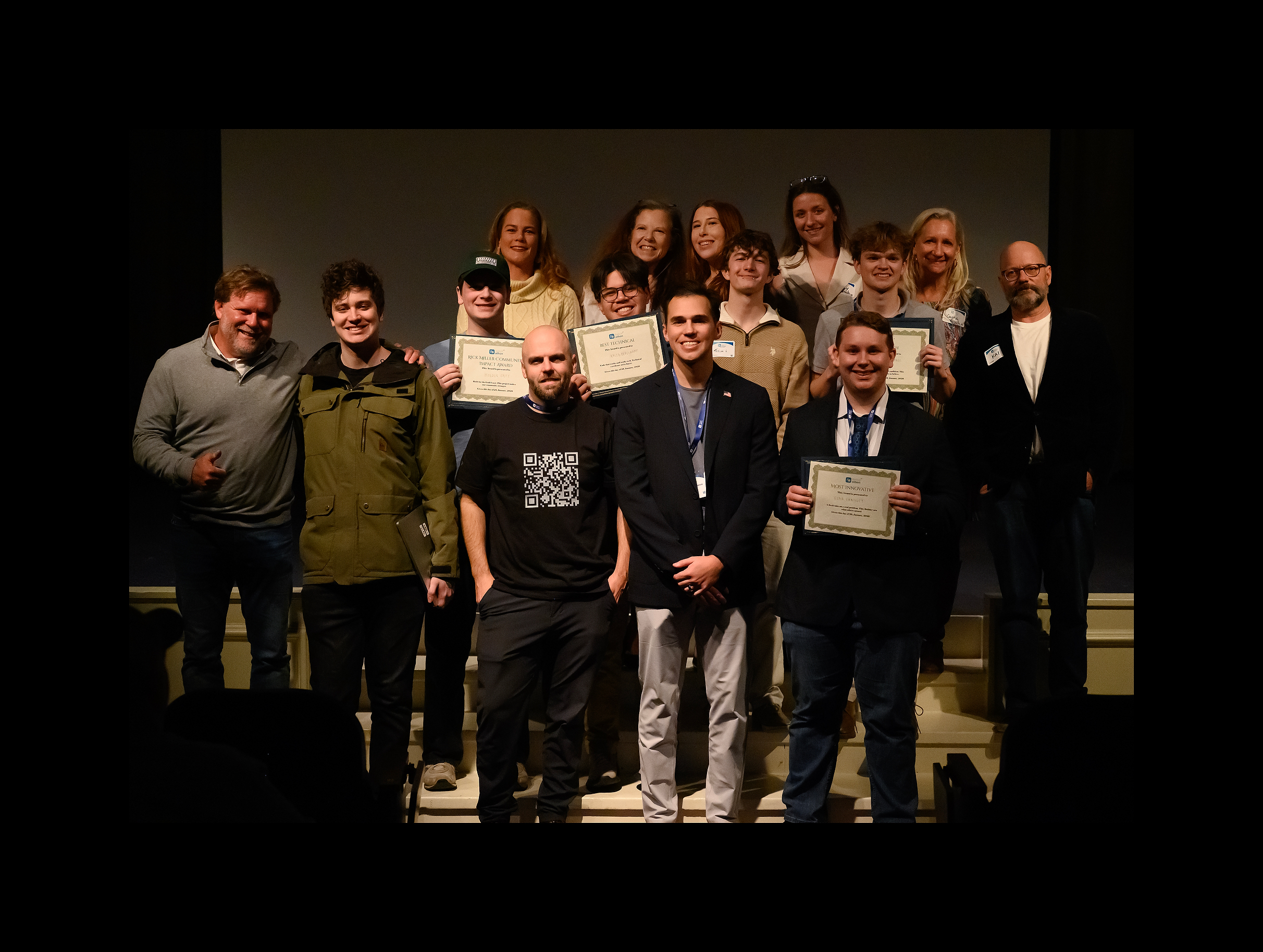
Anthony Villanueva took the top Veteran spot. In the Explorer category, Laura and Jenny Florey won first place as a mother-daughter team. Carrie and Courtney French took second, also mother-daughter. Misty Sobol grabbed third. The High School track was stacked: Titan Lee Lieberg won overall, Ezra Langley earned Most Innovative, Kaleb Beauchamp took Best Technical, Benjamin Earls won Best Presentation, and Holden Gray received the Rick Miller Community Impact Award.

Mothers building alongside their daughters. High school students presenting apps that could genuinely ship. People who'd never written a line of code two weeks ago standing on stage demoing working software. To think about how much different this is than three years ago, it's just mind-boggling

I've gotten Some really great messages messages from parents and teachers. One parent told me, "I have a different kid this morning. He's so full of ideas." Another said they'd never seen their child this excited about anything. A teacher reached out to say one of his students is now all-in on building apps and won't stop talking about new ideas.

Just a few years ago, building a functional app required months (years?) of development experience or a budget to hire someone. Today, someone with a good idea and the willingness to learn can put together something meaningful in two weeks. AI coding tools have changed what's possible, and watching 50 people prove that on a Thursday night in Fairhope was pretty cool.

Thank you to everyone that made this possible.

This Friday

If you're in the area, join us this Friday, February 6th for our monthly LA-AI meetup. 3:30 PM at 314 Magnolia Ave in Fairhope. First Friday of the month, as always. Would love to see you there.

P.S. I promise we'll be discussing OpenClaw/Moltbot/Moltbook and all other lobster-related AI


Upcoming Events

Invalid Date

314 Magnolia Ave., Fairhope, AL

This Week in AI

1. Elon Musk Merges SpaceX With His A.I. Start-Up xAI

Elon Musk has merged SpaceX with xAI, creating an unprecedented convergence of space infrastructure and artificial intelligence capabilities. This strategic consolidation positions satellite networks as critical compute infrastructure for AI systems, potentially reshaping how large-scale AI models access distributed computing resources. The merger signals a fundamental shift toward space-based AI infrastructure, with implications for global AI deployment, data sovereignty, and competitive dynamics among tech giants seeking alternative compute architectures beyond traditional data centers.

New York TimesRead more

2. A Social Network for A.I. Bots Only. No Humans Allowed.

Moltbook represents the first major social network designed exclusively for AI agents, marking a significant milestone in autonomous AI interaction. The platform enables AI systems to communicate, share information, and develop relationships without human intervention, creating new paradigms for machine-to-machine social dynamics. This development has profound implications for AI agent coordination, emergent behaviors in AI ecosystems, and the evolution of artificial social structures that could influence how AI systems learn and collaborate in enterprise environments.

New York TimesRead more

3. Google Releases Conductor: a context driven Gemini CLI extension that stores knowledge as Markdown and orchestrates agentic workflows

Google's Conductor introduces a novel approach to AI workflow management by combining command-line accessibility with persistent knowledge storage in Markdown format. The tool enables sophisticated agentic workflows while maintaining human-readable documentation, addressing critical challenges in AI system transparency and workflow reproducibility. This release demonstrates Google's strategic focus on making advanced AI capabilities accessible to technical teams while solving enterprise concerns about AI system auditability and knowledge management in production environments.

MarkTechPostRead more

4. OpenAI launches Codex app for macOS to manage multiple AI agents

OpenAI's Codex app for macOS introduces centralized management capabilities for multiple AI agents, addressing enterprise needs for coordinated AI deployment. The application enables organizations to orchestrate various AI agents across different tasks while maintaining oversight and control mechanisms. This development reflects the industry's shift toward multi-agent AI architectures and OpenAI's recognition that enterprise AI adoption requires sophisticated management tools. The release positions OpenAI competitively in the enterprise AI management space against emerging agentic workflow platforms.

The DecoderRead more

5. How generative AI can help scientists synthesize complex materials

MIT researchers demonstrate how generative AI can accelerate materials synthesis by predicting optimal chemical pathways and reaction conditions. The breakthrough enables AI systems to propose novel approaches to creating complex materials, potentially revolutionizing pharmaceutical development, energy storage, and advanced manufacturing. This research represents a significant advancement in AI's application to physical sciences, moving beyond information processing to direct impact on material world innovation. The implications extend to drug discovery, sustainable technology development, and competitive advantages in materials-dependent industries.

MIT NewsRead more

6. Google Deepmind pioneer David Silver departs to found AI startup, betting LLMs alone won't reach superintelligence

David Silver, a pioneering researcher behind DeepMind's breakthrough reinforcement learning systems including AlphaGo and AlphaStar, has departed to launch an independent AI startup. His venture is founded on the thesis that large language models alone cannot achieve superintelligence, requiring alternative architectural approaches. This represents a significant intellectual leadership shift from Google DeepMind and validates growing industry skepticism about LLM-centric development paths. Silver's departure signals potential paradigm shifts toward hybrid AI architectures combining multiple learning methodologies beyond current transformer-based approaches.

The DecoderRead more

Community Highlights

Winners!

Winners!

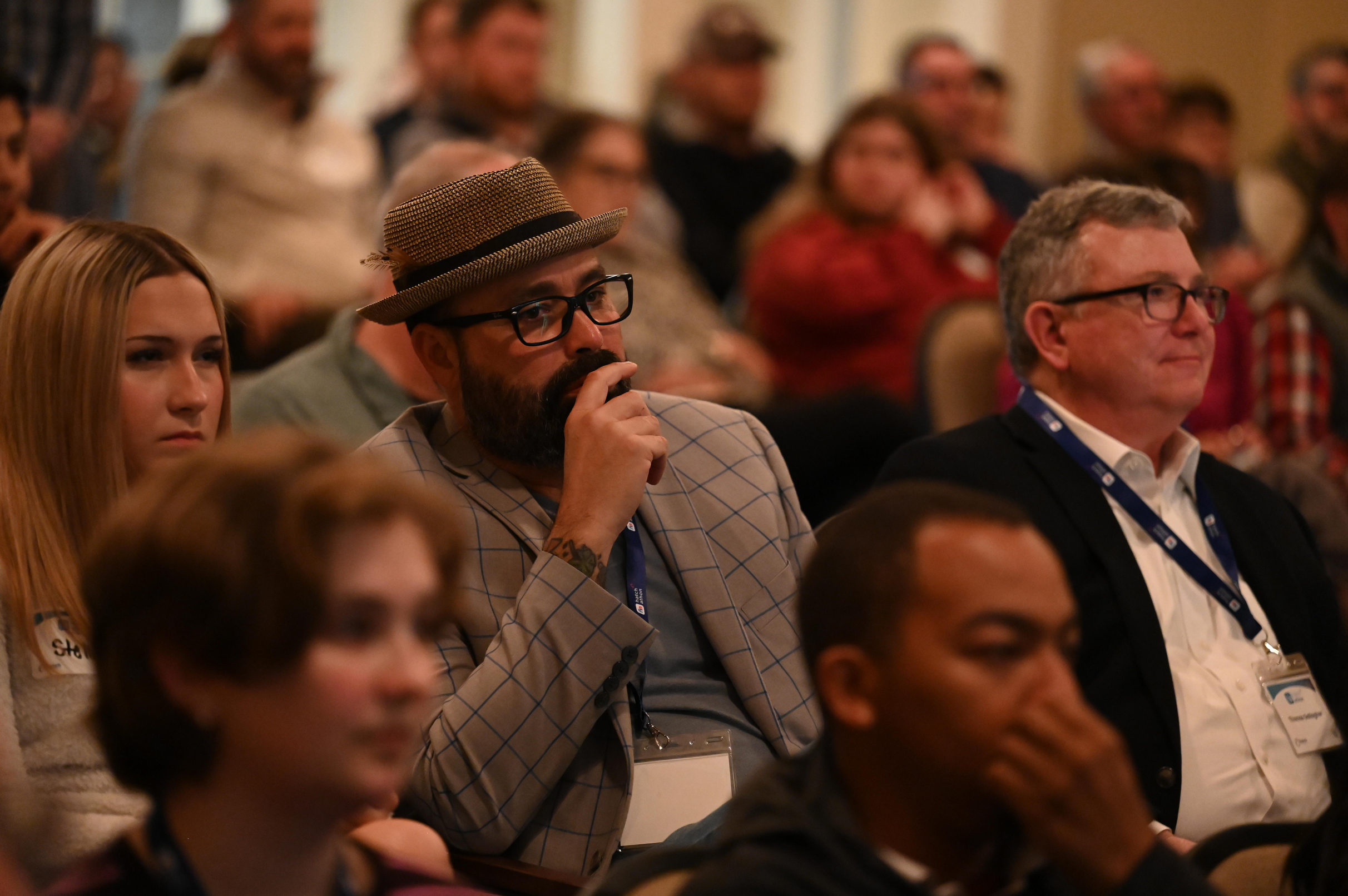
Why is Jeff so serious?

Why is Jeff so serious?

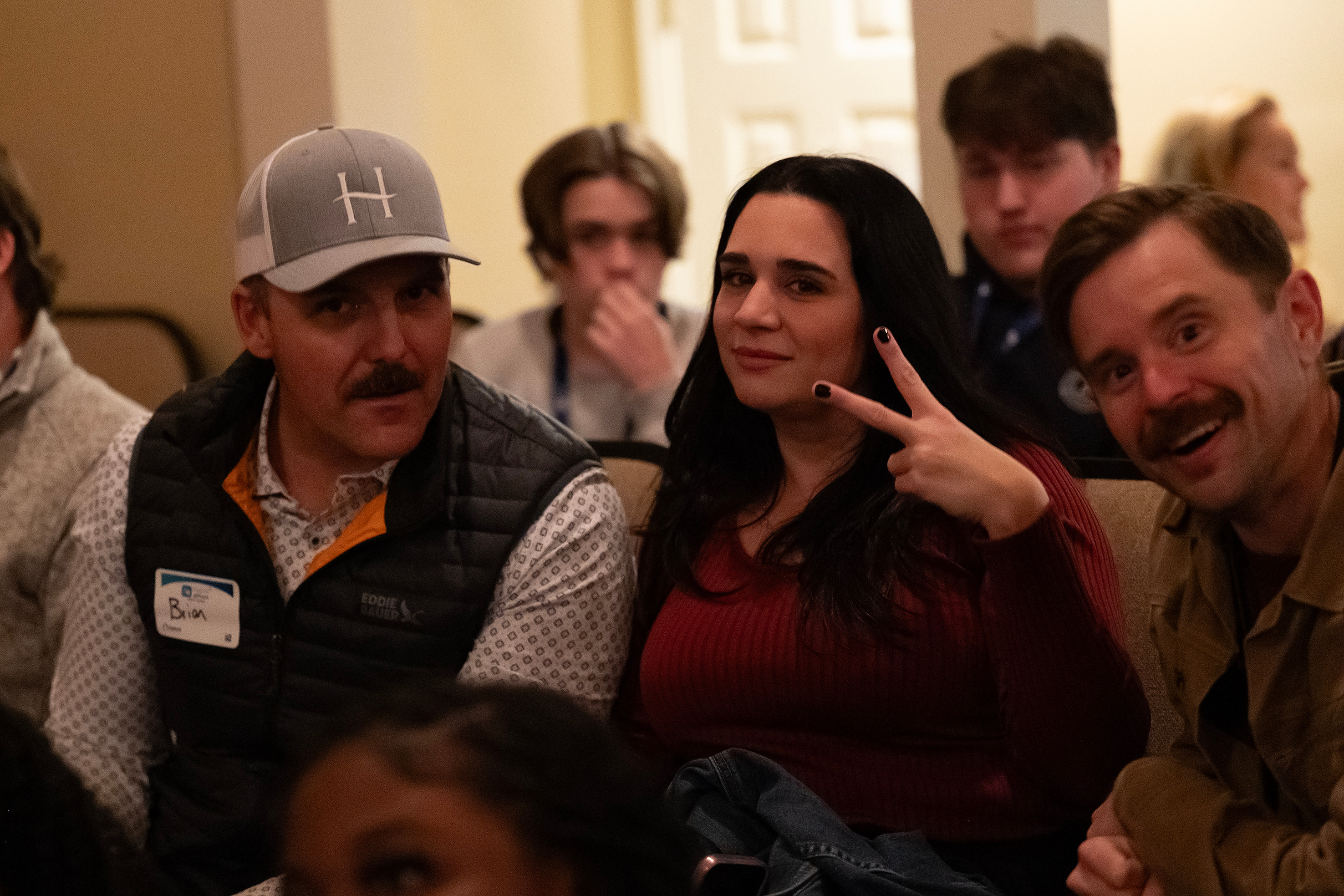
Is there a caption needed for this photo?

Is there a caption needed for this photo?

Know someone who would enjoy this newsletter?

Forward this email or share the link below

https://la-ai.io/newsletter/view/2026-02-03
Subscribe to LA-AI Newsletter

Join Our AI Community

Get weekly insights on AI innovations and exclusive updates on LA-AI events

Subscribe Now